
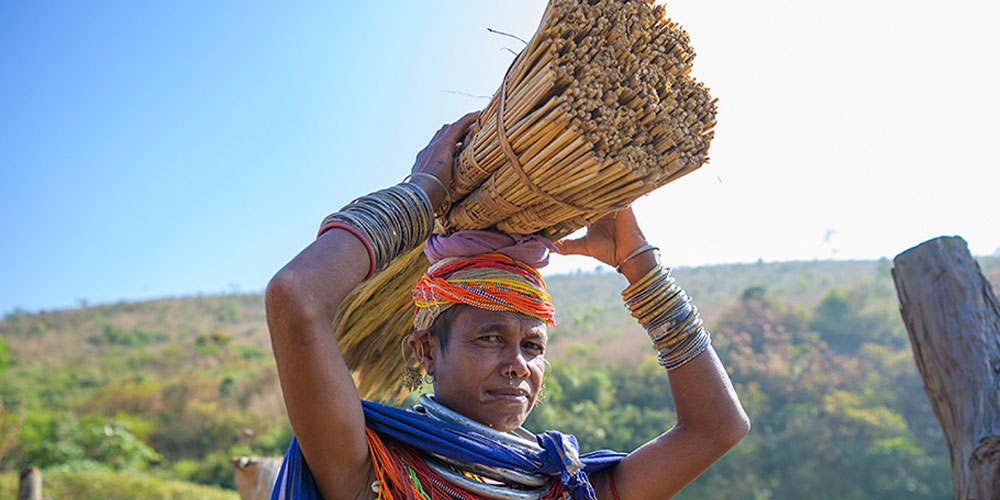
The Bonda Tribes of Odisha: Life, Culture, and Challenges of a Remote Indigenous Community
by
desiakoraput
July 15, 2026
The Bonda tribes, one of the most distinctive indigenous groups in Odisha, live primarily in the hilly, forested pockets of Malkangiri and nearby districts. Known for their unique dress, strong cultural identity, and traditional livelihoods, the Bonda community offers valuable insights into indigenous resilience amid rapid change.
Origins and location
- The Bonda are classified as a Particularly Vulnerable Tribal Group (PVTG) in Odisha.
- They inhabit remote hill villages, often at higher elevations, which has helped preserve many of their customs and language.
Language and identity
- The Bonda speak the Bonda language (a Munda language), which is distinct from dominant regional languages.
- Strong clan structures and traditional leadership remain central to social life and decision-making.
Traditional dress and customs
- Bonda women are widely recognized for their traditional attire: short, hand-woven skirts and distinctive beaded necklaces and headgear. Men often wear minimal clothing suited to hill life.
- Rituals, festivals, and oral traditions (folk songs and stories) reinforce community bonds and connect daily life to ancestral practices.
Livelihoods and economy
- Agriculture on terraced slopes, shifting cultivation, foraging, and minor forest produce form the backbone of the Bonda economy.
- Livelihoods are largely subsistence-based, with occasional trade of forest products or craft items to nearby markets in Odisha.
Education and health
- Geographic isolation makes access to schools and healthcare challenging. Government interventions and NGOs have introduced schools and health camps, but literacy and public health indicators often lag behind state averages.
- Preservation of the Bonda language and traditional knowledge is an ongoing concern as younger generations encounter outside influences.
Modern pressures and change
- Road development, market integration, and government welfare programs have brought both opportunities and pressures.
- Land rights, access to forest resources, and cultural assimilation are pressing issues. Many Bonda face the dilemma of adopting modern amenities while maintaining cultural identity.
Conservation and cultural tourism
- Responsible, community-led cultural tourism initiatives can generate income while respecting local values. Proper safeguards and consent are essential to avoid exploitation.
- Conservation of the surrounding forests benefits both biodiversity and the Bonda’s traditional way of life.
How outsiders can help
- Support ethical NGOs working with Bonda communities on education, healthcare, and rights.
- Advocate for culturally sensitive development policies in Odisha that protect land rights and language preservation.
- When visiting, obtain permission, respect customs, and prioritize community-led initiatives.
The Bonda tribes of Odisha embody a resilient indigenous culture confronting the challenges of modernity. Balancing development with cultural preservation requires informed, respectful approaches that center the Bonda people’s own priorities.
