
Responsible Tourism in Odisha: A Traveler’s Guide to Sustainable Journeys
Travel is changing. More people now want their trips to leave a positive mark instead of just ticking off places on a list. This shift has given rise to responsible tourism in Odisha, a movement that focuses on protecting nature, respecting local communities, and supporting small businesses instead of large, impersonal tour operations. It’s not just a trend; it’s becoming the way thoughtful travelers choose to explore.
Why Responsible Tourism in Odisha Matters
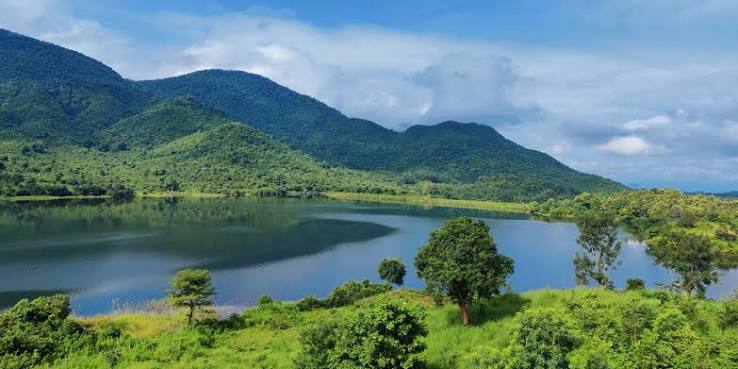
Odisha is home to dense forests, ancient temples, coastal villages, and some of India’s most diverse tribal communities. With so much natural and cultural wealth, the way tourism is managed here directly affects the people and places involved. Unplanned tourism can damage fragile ecosystems and disturb traditional ways of life. That’s why responsible tourism focuses on low-impact travel, fair wages for local guides, and experiences that let visitors learn rather than just observe from a distance.
Places like Koraput, Similipal, and Chilika Lake are perfect examples of destinations that benefit from mindful tourism practices. When visitors choose homestays over big hotels, or hire local guides instead of outside agencies, money stays within the community. This creates a real incentive for locals to protect their forests, wildlife, and traditions rather than see them replaced by unchecked development.
Supporting Local Communities Through Travel
One of the biggest strengths of responsible tourism is how it connects travelers directly with the people who call these regions home. In areas like Koraput district, tribal communities such as the Bonda, Gadaba, and Paroja have preserved unique customs, crafts, and farming methods for generations. Ethical tourism initiatives work closely with these communities, offering visitors a chance to learn traditional weaving, participate in local festivals, or simply share a meal in a village setting.
This is where organizations like Desia Koraput play an important role. By organizing homestays, guided village walks, and cultural experiences in and around Koraput, Desia Koraput helps travelers engage with tribal life in a respectful and meaningful way. Instead of treating communities as tourist attractions, such initiatives create genuine exchanges where both visitors and hosts benefit.
Beyond cultural experiences, responsible tourism also touches on environmental care. Visitors are encouraged to avoid single-use plastics, stick to marked trails in forest areas like Similipal National Park, and respect wildlife by keeping a safe distance. Simple habits like these go a long way in preserving Odisha’s rich biodiversity for future travelers.
What Travelers Can Do
If you’re planning a trip to Odisha, there are small steps that make a big difference. Choose accommodations run by local families. Buy handicrafts directly from artisans instead of mass-produced souvenirs. Ask questions and listen to community members instead of assuming you know their story. Every choice, however small, adds up to a bigger impact on how tourism shapes these regions.
Odisha offers something rare — a chance to experience untouched landscapes and living traditions side by side. But this balance is delicate. It depends on travelers who care enough to tread lightly and support the people who protect these places daily.
As more visitors discover its temples, beaches, and tribal heartlands, the future of tourism here depends on the choices made today. Responsible tourism in Odisha isn’t just about seeing the state’s beauty; it’s about ensuring that beauty remains for the next generation of travelers and locals alike. Whether through community-led initiatives or simple mindful habits, everyone has a role to play in keeping Odisha’s charm alive and thriving.
