
Authentic Cultural Immersion: A Complete Guide to Tribal Tours in Odisha for 2026
Ancestral Rhythms: A Journey Through Tribal Odisha
Stepping into the southern highlands of Odisha is like walking through a living museum of human history. For those seeking a travel experience that goes beyond monuments and beaches, a tribal tour offers a rare glimpse into indigenous lifestyles that have remained unchanged for centuries.
The Heartland of Indigenous Culture
Odisha is home to 62 distinct tribal communities, each with its own language, attire, and spiritual beliefs. The journey typically begins in Bhubaneswar, the state capital, which serves as the gateway to the rugged terrains of the south. As you move toward Koraput, the landscape transforms into a tapestry of rolling hills and vibrant weekly markets (haats).
Encountering the Tribes
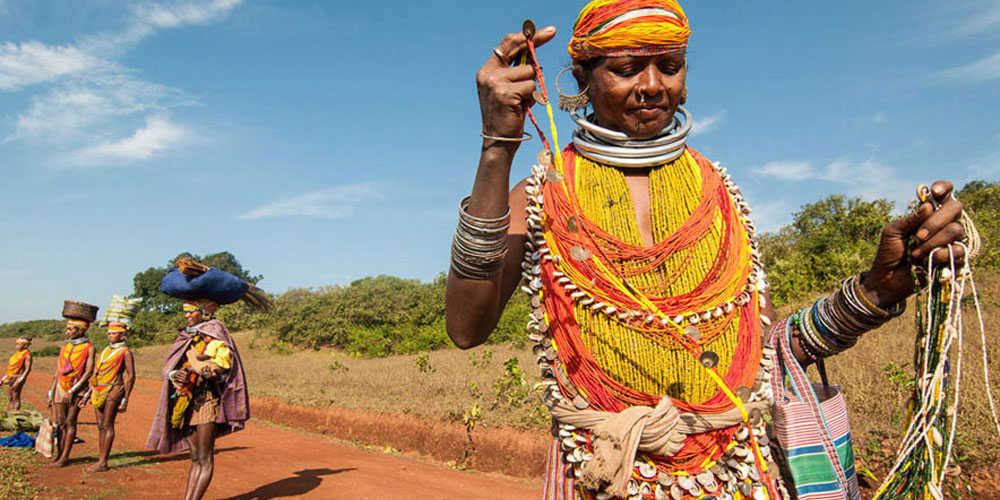
One of the most profound experiences is visiting the Onukudelli market, where the Bonda people – one of India’s most primitive tribes – descend from the hills of Malkangiri to trade. Known for their unique beaded attire and silver neck rings, the Bonda maintain a fierce and proud independence.
Further east in Rayagada, you can meet the Kutia Kondh and Dongria Kondh tribes. The Dongria Kondh, who reside in the Niyamgiri Hills, are revered for their deep ecological wisdom and their stunning hand-woven shawls. In the northern belt near Mayurbhanj, the Santhal and Ho tribes showcase a rich tradition of music and wall art that celebrates their connection to the forest.
Markets and Traditions
A tribal tour is centered around the “Weekly Haat.” These are not just places of commerce but social hubs where communities gather to share news and local rice beer (Salapa). Key locations include:
- Chatikona: Famous for the Dongria Kondh gatherings.
- Baligaon: A hub for the Dhuruba tribe.
- Duduma: Near the majestic Duduma Waterfall, where the Gadaba tribe performs the traditional Dhemsa dance.
Responsible Travel in the Hills
Visiting these sensitive areas requires a deep respect for local customs. It is essential to travel with an ethical operator who prioritizes community benefit.
- Best Time to Visit: Between October and March for pleasant weather and festive celebrations like Chaitra Parva.
- Permits: Note that foreign travelers require special permits to visit certain restricted tribal areas in Malkangiri and Rayagada.
Whether you are watching the sunset over the Deomali Peak or learning the art of Saura wall painting in a remote village, a tribal tour in Odisha is an invitation to reconnect with the primal roots of humanity. Would you like me to create a 7-day sample itinerary focusing on the tribal markets of Southern Odisha?
